

Exploring gambling A cultural lens on luck and risk
Understanding the Cultural Significance of Gambling
Gambling has existed across various cultures for centuries, intertwining with societal values and beliefs. From ancient China’s use of dice to the modern casino environments of Las Vegas, the concept of betting and wagering transcends mere entertainment. It serves as a reflection of social dynamics, often illustrating how communities perceive luck and risk. In many cultures, gambling is not only a pastime but also a ritual, where luck is often regarded as a mystical force that intertwines with human experience. For those interested in understanding the industry better, exploring resources like Poker Kingdom win RTP can provide valuable insights.
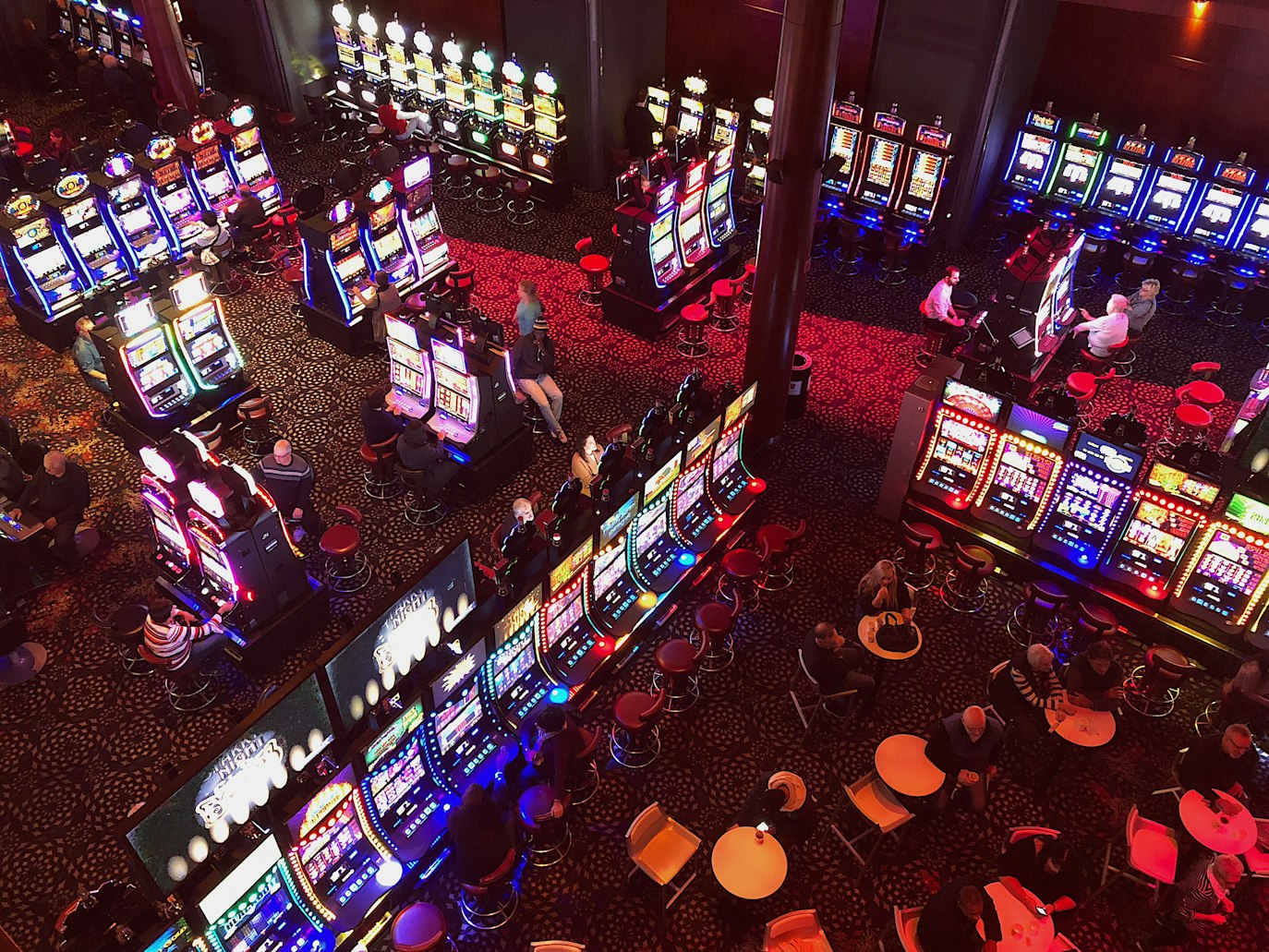
The role of gambling varies significantly from one culture to another. For instance, in some Indigenous communities in North America, traditional games of chance are integral to social gatherings and cultural identity. These games often symbolize resilience and connection to ancestral traditions. Conversely, in Western cultures, gambling is frequently associated with financial gain and personal ambition. This divergence highlights how cultural narratives shape our understanding of what it means to gamble.
Moreover, the advent of online gambling has allowed various cultural interpretations to merge, creating a global landscape that complicates traditional views. Online platforms enable individuals from diverse backgrounds to engage with gambling, often blending cultural elements. This cross-cultural interaction can influence perceptions of luck, risk, and the associated rituals, thereby enriching the overall gambling experience.
The Psychology of Luck and Risk in Gambling
The psychology behind gambling reveals complex interactions between luck, risk, and human behavior. Many players perceive luck as a tangible entity that can be influenced, which directly affects their decision-making processes. This belief often leads to cognitive biases, such as the illusion of control, where gamblers believe they can manipulate outcomes despite the randomness inherent in most games. Understanding these psychological aspects can provide valuable insights into why individuals are drawn to gamble.
Risk is another critical factor that shapes the gambling experience. Individuals have varying thresholds for risk, and these differences can be linked to personality traits and cultural background. Some may engage in high-stakes games, embracing the thrill of potential loss, while others prefer low-risk, low-reward scenarios. This spectrum of risk tolerance influences how people approach gambling, affecting everything from game choice to betting strategies.
Moreover, the concepts of luck and risk are deeply embedded in societal narratives. In popular culture, luck is often romanticized, portrayed as a fateful chance encounter or a stroke of fortune that changes one’s life. These stories reinforce the idea that luck can lead to significant rewards, enticing more people to engage in gambling activities. The interplay between these psychological factors adds depth to the gambling experience, making it a multifaceted phenomenon that goes beyond mere chance.
Global Perspectives on Gambling Practices
The diversity of gambling practices worldwide reflects varying cultural attitudes toward luck and risk. In countries like Japan, pachinko parlors blend gaming with social interaction, turning what might be seen as a solitary activity into a communal experience. This cultural approach underscores the significance of social bonds in gambling, where the act is less about winning money and more about connection and shared experience.
In contrast, some cultures have developed strict regulations around gambling, often due to historical or moral reasons. For instance, many Middle Eastern countries have prohibitions against gambling, viewing it as contrary to Islamic principles. Here, the cultural lens shifts towards risk management, focusing on the potential negative impacts of gambling on individuals and society at large. This viewpoint provides a stark contrast to cultures that celebrate gambling as a form of entertainment and social engagement.
The rise of online gambling has further complicated global perspectives. It allows individuals from regions with strict gambling laws to engage with games, creating a clash between local customs and global practices. This digital shift not only broadens access but also invites discussions about the ethical implications of gambling across cultures. The global landscape of gambling continues to evolve, driven by technological advancements and changing societal attitudes.
The Economic Impact of Gambling
Gambling has a significant economic impact, influencing local and national economies. In regions where gambling is legal, it contributes to job creation, tourism, and tax revenue. Casinos and gaming establishments often become economic powerhouses, drawing visitors from far and wide. This influx can stimulate local businesses, enhance infrastructure, and create opportunities for employment, illustrating how gambling can serve as a vital economic engine.
However, the economic benefits are accompanied by concerns regarding responsible gambling and the potential for addiction. While many engage in gambling as a recreational activity, a subset of individuals may experience negative consequences, leading to financial hardship and social issues. This duality presents a challenge for policymakers, who must balance the economic advantages with the responsibility of safeguarding public welfare.
Moreover, the economic impact of gambling extends beyond direct financial contributions. It influences various industries, from hospitality to entertainment, and even technology, as online platforms continue to grow. This interconnectedness highlights how deeply embedded gambling is in modern economies, making it essential to consider both its benefits and the challenges it presents for society.

Discover the Exciting World of Online Gambling
Online gambling has revolutionized the gaming landscape, providing players with unprecedented access to a variety of games and experiences. Platforms like Poker Kingdom Win feature diverse offerings, including thrilling video slots, poker, and live dealer games, allowing players to engage with their favorite pastimes from the comfort of their homes. This accessibility has attracted both novice and seasoned gamblers, creating a vibrant online community.
The appeal of online gambling lies not only in its convenience but also in the potential for significant payouts. With high return-to-player (RTP) rates and engaging game mechanics, players are often lured by the possibility of winning big. Innovative features like cascading wins and multipliers enhance the experience, making every spin or hand exciting. Furthermore, online casinos prioritize security and user experience, ensuring that players can focus on enjoying their games.
As the landscape of gambling continues to evolve, online platforms play a pivotal role in shaping cultural perceptions of luck and risk. By enabling people from various backgrounds to connect and engage with gambling, these sites contribute to a shared understanding of what it means to take risks and seek fortune. Whether one is a casual player or a serious competitor, the online gaming environment offers something for everyone, reflecting the dynamic nature of gambling in today’s society.